
Top Takeaways and Key Concepts
Choose nutrient-dense foods daily to lower disease risk and support long-term health.
Move your body regularly with simple activities like walking, dancing, or active chores.
Manage stress consistently using tools like breathing exercises, hobbies, or mindfulness.
Prioritize quality sleep by aiming for 7–9 hours each night to support recovery.
Schedule regular checkups to detect health issues early and prevent serious illness.
Summary of This Article
This article explains how everyday lifestyle choices play a powerful role in preventing chronic diseases and improving overall health. It highlights the importance of balanced nutrition, regular physical activity, and effective stress management while reminding readers not to underestimate the power of sleep and supportive relationships. The article also emphasizes the value of preventive healthcare through routine checkups and screenings. With humor and practical insight, it encourages small, consistent habits—like eating healthier meals and moving more—to create lasting wellness.

Let’s face it: the idea of living a healthy lifestyle often feels like being handed an instruction manual written in ancient hieroglyphics. You know, the one that says, “Eat kale, run marathons, and meditate on a mountaintop.”
But here’s the kicker—lifestyle choices can significantly influence our health and help prevent diseases. I mean, who knew that swapping out potato chips for carrot sticks could be so impactful? Let’s dig into this with all the seriousness of a doctor’s appointment and the humor of a late-night talk show.
Understanding Disease Prevention

First off, what do we mean by disease prevention? It sounds fancy but is really just about keeping ourselves from getting sick. Think of it as your body’s way of saying, “Thanks for not feeding me junk!” Instead of waiting until something goes wrong—like when you realize that your favorite shirt no longer fits—you can proactively make choices to keep those pesky illnesses at bay.
I remember when my Uncle Bob thought he was invincible. He lived on a diet consisting mainly of bacon cheeseburgers and soda. Fast forward a few years: Uncle Bob is now part-time resident in his local hospital cafeteria because he didn’t quite grasp the concept of moderation or nutrition. The lesson here? Ignoring healthy habits isn’t just risky; it can lead to some serious consequences!
Nutrition: You Are What You Eat

By the way, let’s talk about nutrition because if there were ever a superhero in disease prevention, it would be vegetables! Eating well doesn’t mean you have to live like a rabbit munching on lettuce all day long. Instead, think variety! Whole grains, lean proteins, fruits bursting with color—it’s like painting your plate with vibrant hues instead of drab brown.
But here comes the challenge: how many times have you promised yourself to eat healthier only to find yourself staring down a box of donuts at 2 AM? Yep, guilty as charged! However, making small changes over time can lead to big results. Try swapping one sugary drink for water each day or adding an extra serving of veggies at dinner. Before you know it, you might actually start craving broccoli (and then again…maybe not).
Physical Activity: Move It or Lose It

Now onto physical activity—also known as exercise—but let’s be honest; nobody wants to hear that word unless they’re watching cat videos online. Here’s where things get interesting: regular movement helps maintain weight and reduces the risk for chronic diseases such as diabetes and heart disease. And no, running away from your responsibilities does not count as exercise!
Interestingly enough, finding ways to incorporate movement into daily life can feel easier than hitting the gym for an hour every day (which sounds exhausting). Take walks during lunch breaks or dance around your living room while cleaning (trust me; it’s therapeutic!). My neighbor once turned mowing his lawn into an Olympic event—complete with cheering from his kids—and I must say he looked pretty fit afterward!
Stress Management: Keep Calm and Carry On
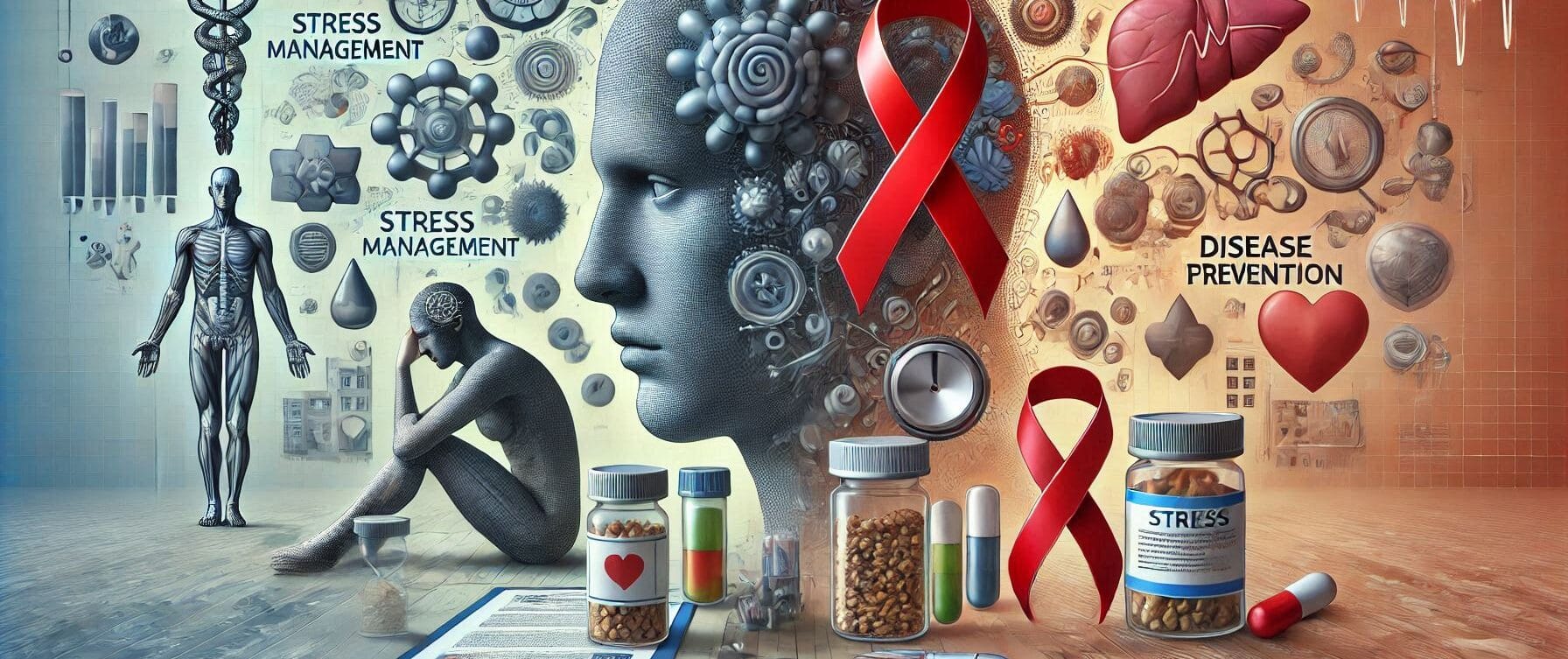
Speaking of which—stress management is another critical aspect often overlooked in disease prevention discussions. Stress has become so common that we sometimes treat it like an unwanted houseguest who overstays their welcome (you know who I’m talking about). Chronic stress can lead to various health issues including high blood pressure and weakened immune function.
So how do we manage stress? Well, techniques vary widely from person to person; some swear by yoga while others prefer venting frustrations through karaoke sessions (don’t judge until you’ve heard my rendition of “Livin’ on a Prayer”). Finding what works best for you could involve meditation apps or even just taking five minutes each day to breathe deeply without distractions.
Sleep Matters Too

On another note entirely—let’s discuss sleep because yes folks—even our slumber plays a role in preventing illness! Quality sleep supports overall health by allowing our bodies time to repair themselves after daily wear-and-tear adventures (like trying not trip over random objects in our homes).
Most adults need between seven and nine hours per night but let me tell you—a solid night’s rest isn’t always easy! Between binge-watching shows until 2 AM and scrolling through social media feeds filled with cute puppies (#priorities), it’s no wonder many struggle with getting enough shut-eye! Prioritizing restful nights means fewer colds caught during flu season—not bad trade-off if you ask me!
Building Healthy Relationships

Then again—we can’t forget about relationships—the people we surround ourselves with play significant roles too! Having supportive friends helps reduce stress levels while encouraging us toward healthier choices (even if they insist on dragging us out for ice cream occasionally). Plus, laughter truly is great medicine; spending time laughing together boosts mood hormones while lowering anxiety levels.
Anecdote alert: A friend once hosted “healthy potluck” dinners where everyone brought nutritious dishes rather than their usual go-to takeout options! Not only did we enjoy delicious food but also bonded over shared goals—those evenings became cherished memories alongside newfound friendships!
Regular Check-Ups Matter
Finally—and trust me on this one—regular check-ups are vital components within lifestyle choices promoting disease prevention too! No one likes visiting doctors’ offices but having routine screenings allows professionals catch potential problems early before they escalate into serious concerns (because waiting until symptoms arise usually ends up being less fun!).
Consider scheduling annual visits along with necessary vaccinations based upon age group requirements—it may seem tedious but will undoubtedly save future headaches later down road!
In conclusion—it turns out that maintaining good health involves more than simply avoiding fast food drive-thrus once every blue moon—it encompasses holistic approaches combining nutrition education alongside positive social interactions coupled tightly together within active lifestyles aimed towards reducing risks associated chronic diseases—all while squeezing laughter wherever possible!
Suggested Resources:
Healthy Living Tips
https://www.cdc.gov/healthyweight/healthy_living/index.html
Lifestyle Changes for Disease Prevention
https://www.mayoclinic.org/diseases-conditions/heart-disease/in-depth/lifestyle-changes/art-20046087
The Importance of Nutrition in Preventing Diseases
https://www.who.int/news-room/fact-sheets/detail/healthy-diet
Frequently Asked Questions
How does lifestyle affect disease prevention?
Healthy lifestyle choices—like eating nutritious foods, staying active, and managing stress—help reduce the risk of chronic diseases and support long-term wellness.
What are the key lifestyle factors that influence health?
Major factors include balanced nutrition, regular exercise, adequate sleep, stress management, healthy relationships, and routine medical checkups for early detection.
Can improving diet really prevent disease?
Yes. Eating nutrient-dense foods rich in fruits, vegetables, lean proteins, and whole grains can lower the risk of heart disease, diabetes, and other chronic illnesses.
How much physical activity is recommended for disease prevention?
Experts suggest at least 150 minutes of moderate activity per week—like walking, dancing, or gardening—to strengthen the heart and improve overall health.
Why is stress management important for health?
Chronic stress raises blood pressure, weakens immunity, and contributes to illness. Relaxation techniques like breathing, hobbies, or mindfulness help protect your health.
How does sleep contribute to disease prevention?
Quality sleep allows the body to repair and restore itself, supporting immune function, hormone balance, and mental health—key elements in preventing chronic disease.
Why are regular checkups essential even if I feel healthy?
Preventive visits and screenings detect early signs of illness, allowing timely treatment before conditions worsen and helping maintain long-term health stability.

Kevin Collier is a dedicated health enthusiast and writer focused on preventative healthcare strategies and the management of common ailments. With a passion for empowering individuals to take charge of their health, he provides practical insights and evidence-based information that help readers make informed decisions about their well-being. At SickFAQ.com, Kevin shares accessible resources and tips that encourage proactive health measures, demystifying medical concepts and promoting a holistic approach to wellness. His goal is to equip others with the knowledge they need to prevent illness and live healthier, more vibrant lives.